In industrial automation and precision machinery, linear guide modules and ball screw slides are two core components for achieving linear motion. While both are used for linear motion control, they differ significantly in structure, working principle, and performance characteristics. Understanding these differences is critical for proper component selection and efficient equipment application.
I. Differences in Definition and Structure
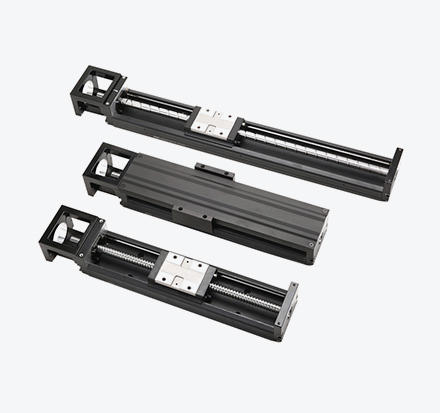
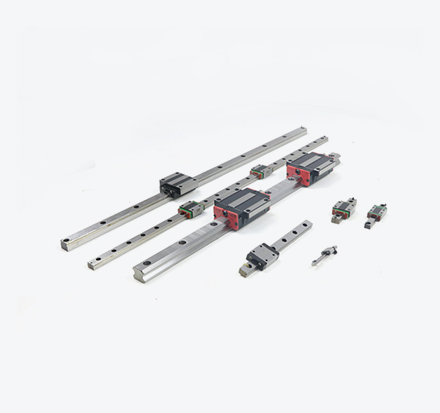
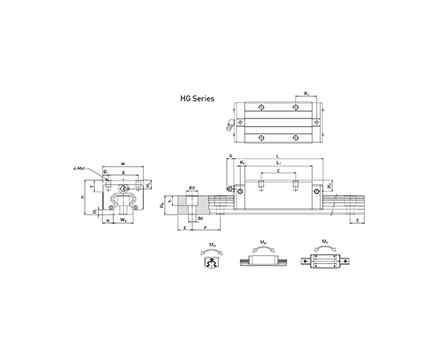
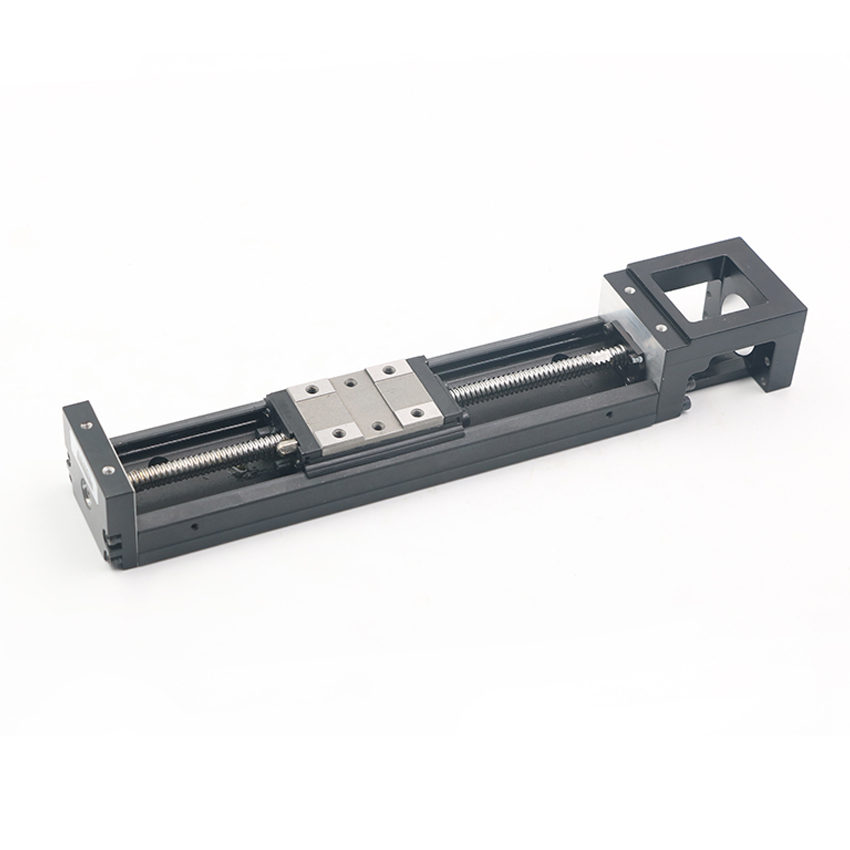
A linear guide module is a highly integrated linear motion unit. It comes pre-assembled and calibrated with linear guides, sliders, base, drive motor, transmission mechanism (ball screw, timing belt, linear motor), protective cover, limit switches, and other components, forming a standardized, ready-to-install module. Its core functions are guidance and load bearing, ensuring straightness and stability of movement via rails and sliders while withstanding multi-directional loads.
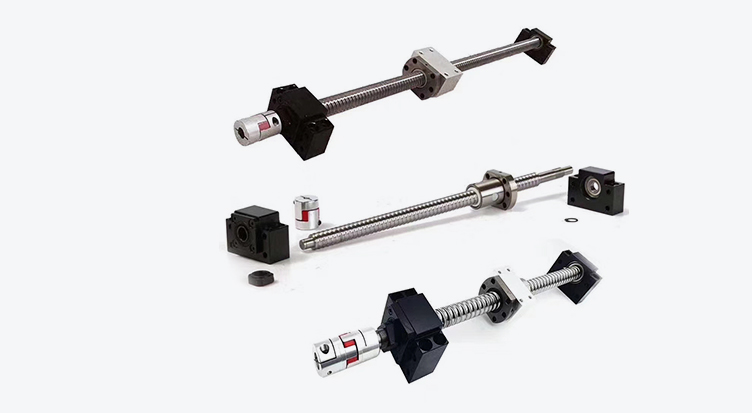
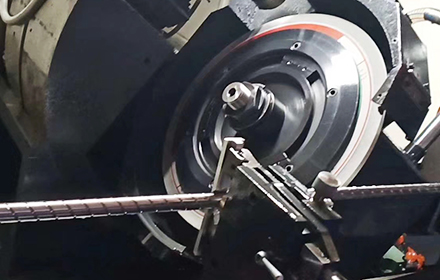
A ball screw slide is a linear motion device driven primarily by a ball screw. It consists of a screw shaft, linear guide, support bearings, motor, coupling, and other parts. Its core function is to accurately convert the motor’s rotary motion into linear motion of the nut (or slider) through the ball screw.
II. Core Differences Comparison
1.Differences in Core Functions and Motion Modes
Linear guide module: Focused on high precision and high rigidity, it provides guidance and load bearing for linear motion. The guide rail assembly guides moving parts in linear reciprocating motion to ensure straightness and stability, while the built-in transmission mechanism provides actuation, forming a complete motion execution unit.
Ball screw slide: Centered on the ball screw as the transmission core, it converts rotary motion into linear motion to achieve accurate displacement and force transmission. The ball screw serves as both the transmission component and the key part determining positioning accuracy.
2.Key Performance Differences
Load capacity: The load capacity of linear guide modules depends on the integrated rail specifications and can withstand multi-directional combined loads (radial, axial, moment); ball screw slides excel in axial (along the screw) load capacity and typically support large thrust or tension.
Accuracy characteristics: Accuracy of linear guide modules is reflected in motion straightness, parallelism and smoothness; ball screw slides emphasize positioning accuracy, lead accuracy and axial backlash control.
Speed and stroke: Linear guide modules are suitable for long-stroke, high-speed applications; limited by screw rotation speed, ball screw slides feature lower speed and shorter stroke, but offer better stability, rigidity and thrust.
Although both linear guide modules and ball screw slides are linear motion components, the former emphasizes integrated guidance while the latter focuses on screw-driven transmission.
Clarifying their structural, functional and performance differences is fundamental to the design and selection of efficient and reliable automation equipment.
 English